Is Your Cinnamon Fake? Where Does Kefir Come From? Plus: Why Is Citric Acid In Everything? Ask Gastropod!

The season for holiday baking is upon us, and before you spice up your cookies and pies, you’ll probably want to know: is most of the cinnamon on grocery store shelves actually fake? That’s one question we’re investigating this week on behalf of you, dear listeners, in the latest installment of our popular Ask Gastropod series! This episode, we've got the scoop on what's real when it comes to cinnamon—because your buns deserve the truth. We're also putting our detective hats on to figure out where in the world kefir comes from, in an epic tale that involves mummies, a prince, and a potential kidnapping. Finally, if you look at almost any label, from jam to ice cream to soda to sausage, you'll find one shared ingredient: citric acid. What on Earth is this additive doing in everything, how is its spread connected to a technology that has saved millions of lives—and is it safe to eat? Listen in for a festive feast of listener curiosity, and keep your awesome questions coming our way!

Episode Notes

Kantha Shelke

Kanthe Shelke is a food-scientists and the co-founder of Corvus Blue, a food research and consulting firm, as well as a senior lecturer at Johns Hopkins University. She's a Gastropod fan favorite: check out her star appearances on previous episodes about vegan cheese and Jell-O.

Judah Ginsberg

Judah Ginsberg is a freelance writer and a former manager of the National Historic Chemical Landmarks Program for the American Chemical Society, for which he wrote about the Pfizer plant in Brooklyn.
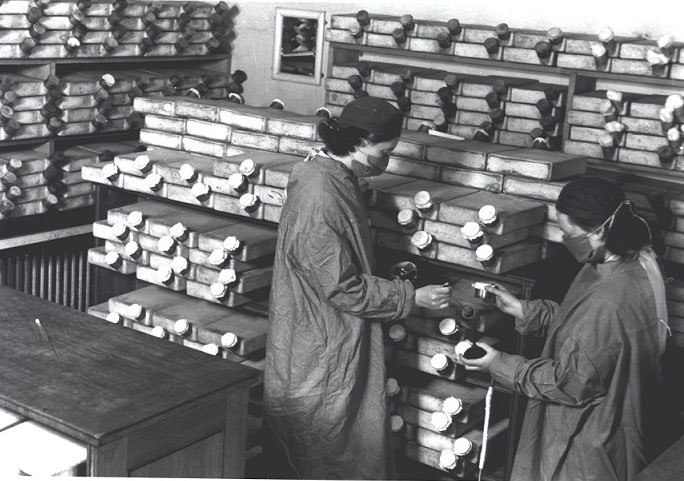
 

Two of the six "Penicillin Girls" who carefully tended to penicillin fermenting in small vessels, yielding just a few milligrams of this miracle drug every week—the only method that was available before deep-tank fermentation. (Photo credit: Sir William Dunn School of Pathology, Oxford University)
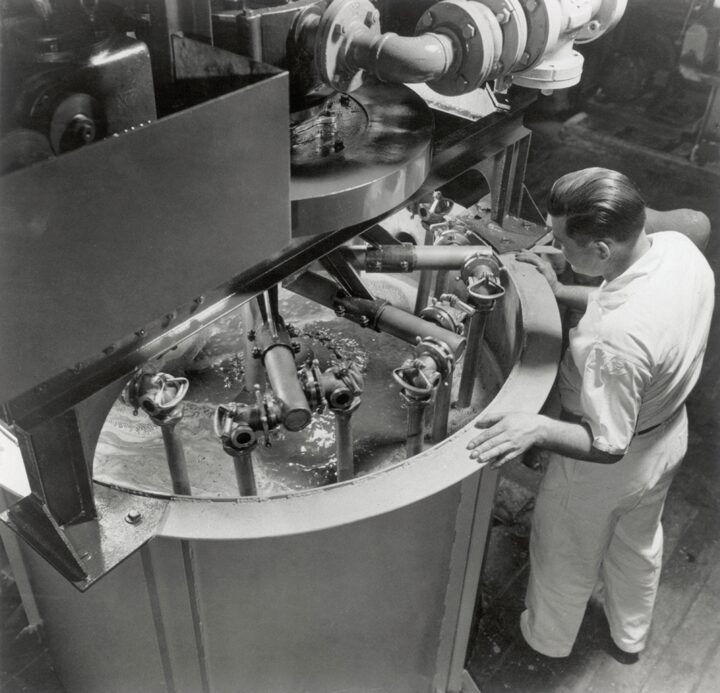
Citric acid being manufactured through deep tank fermentation at Pfizer's plant in Brooklyn, 1948. (Photo credit: Pfizer)

Iliana Sweis

Iliana Sweis is a plastic surgeon at the University of Illinois at Chicago. You can read her case study into manufactured citric acid responses in the journal Toxicology Reports.

Paul Cotter

Paul Cotter leads the Food Biosciences Department at Teagasc, Ireland's Agriculture and Food Development Authority.

Justine Lee

Justine Lee is a food writer and cinnamon lover. She wrote about the different types of cinnamon for King Arthur.

The Alfred P. Sloan Foundation for the Public Understanding of Science, Technology, and Economics

This episode of Gastropod was supported by a generous grant from the Alfred P. Sloan Foundation for the Public Understanding of Science, Technology, and Economics. Check out the other books, movies, shows, podcasts, and more that they support here.

The Burroughs Wellcome Fund

This episode of Gastropod was supported in part by the Burroughs Wellcome Fund for our coverage of biomedical research.